
Protect your hands with the right gloves
According to a data source reviewed by OSHA, many hand injuries, if not most, could be prevented with job-matched gloves. There are many varieties of safety gloves. Listed below are a few of the most common types:
Chemical-resistant and coated gloves protect wearers from substances that penetrate the skin and potentially cause irritation, rashes, and burns. Usually made of neoprene, latex, nitrile, polyvinyl chloride (PVC), or butyl, the glove material should be compatible with the chemical being handled.
 Disposable industrial or laboratory gloves limit contamination in cleanroom environments, microchip production, laboratories, and facilities. They are worn when handling pathogens, germs, or other potentially hazardous biological samples. Because finger sensitivity and dexterity is important for these applications, these gloves are made of pliable materials such as polyethylene, latex, nitrile, or vinyl. Disposable gloves may also be used in food safety, technology, and preparation applications as well. Typically, these disposable safety gloves carry a label stating they are compliant with FDA regulations for food contact.
Electrical safety gloves are generally rubber-insulated to protect electricians who are working with live wires and electrical charges. As an effective nonconductor, rubber offers voltage-resistance according to specified levels. Sometimes electrical workers wear leather gloves on top of the rubber-insulated gloves to further protect against abrasions and cuts.
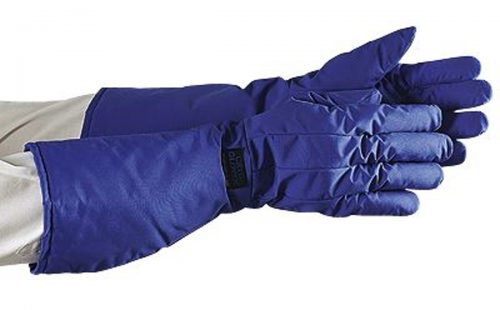 Temperature-resistant gloves keep skin from experiencing the effects of extreme heat or cold. Those working outdoors in freezing conditions or indoors in freezers, cold storage units, or cryogenics need to protect their hands from frostbite. Welders, firefighters, and other workers toiling around open flames need glove materials that can withstand high levels of heat up to 600ºF. Similarly, extreme temperature gloves are knitted with materials that allow users to safely work with diffusion furnaces, hot/dry glassware, and liquid gas flasks.
Cut-resistant gloves safeguard wearers from snags, punctures, abrasions, and cuts and are most often found in industrial settings or animal handling applications.
Leather work gloves crafted of cowhide, goatskin, horsehide, deerskin, or pigskin are often tough yet pliable for farming and agricultural uses, carpentry, driving heavy machinery, and related applications.
Fingerless gloves for cycling, sailing, and road racing also can be useful in work settings where optimal dexterity is necessary and there is no need to protect fingers from moving parts, contamination, or other hazards.
Finger cots cover one or more fingers for protection when an entire glove is unnecessary. Made of nitrile, latex, vinyl, or rubber, they are used when handling Class II static-sensitive or ESD-sensitive devices with thresholds above 1000V.
Which is the right glove for your application?
Buying the right safety gloves is very much important. In fact, it is important to know that the right density of fabric will provide the right protection.
When looking for chemical safety gloves, you can notice they are made of different plastic and rubber types. The standard pairs produced for workers to protect against hazards in various tasks include: Latex rubber gloves; Nitrile gloves; Nitrile gloves; and Neoprene gloves.
I have nothing to say about this article. It is really good and I love it.
Thank you and thanks for visiting our blog.