
Turbidity meters and turbidity testing products help assess water quality by measuring the cloudiness of a fluid that contains very small particles such as deposits, pollution, and other elements.
When using a turbidity meter, prevent erroneous measurements resulting from inaccurate readings by:
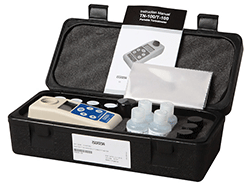
Oakton® T-100 Turbidity Meter (Handheld, Waterproof, with Standards)
- Calibrating your turbidity meter with the appropriate calibration standard in each measuring range for the highest accuracy
- Avoiding samples containing air bubbles, coarse debris, or floating sediments
- Always using clean vials (etched, scratched, or dirty sample vials scatter light and provide inaccurate readings) with a protective case or extra long tubes to allow for handling outside the measuring area
- Wearing gloves to prevent smudges or fingerprints on vial surface
- Taking readings on smooth, sturdy surfaces—vibration can cause errors in your measurements
View our selection of turbidity meters and turbidity testing products.
Be the first to comment on "5 Tips for Taking Turbidity Measurements"